Nail Prep Guide: How to Soften Cuticle in 3 Minutes
This article is about Cuticle. "The strength of your nails is built in the quiet moments of your routine, not just in the application of polish."
To maintain healthy nails while practicing self-nailing, you must focus on deep hydration, gentle removal techniques, and physical protection from harsh chemicals. This guide provides a step-by-step approach to managing nail health through proper prep, application, and recovery phases.
* Focus on cuticle hydration to prevent peeling. * Use gentle removal methods to protect the nail plate. * Protect hands from household chemicals with gloves.
How to prevent peeling during the preparation phase?
A heavy wooden brush sits on the vanity, its bristles slightly frayed from months of use. You pick up a metal pusher, feeling the cool weight against your thumb, and prepare to push back the skin near the base of your nail.
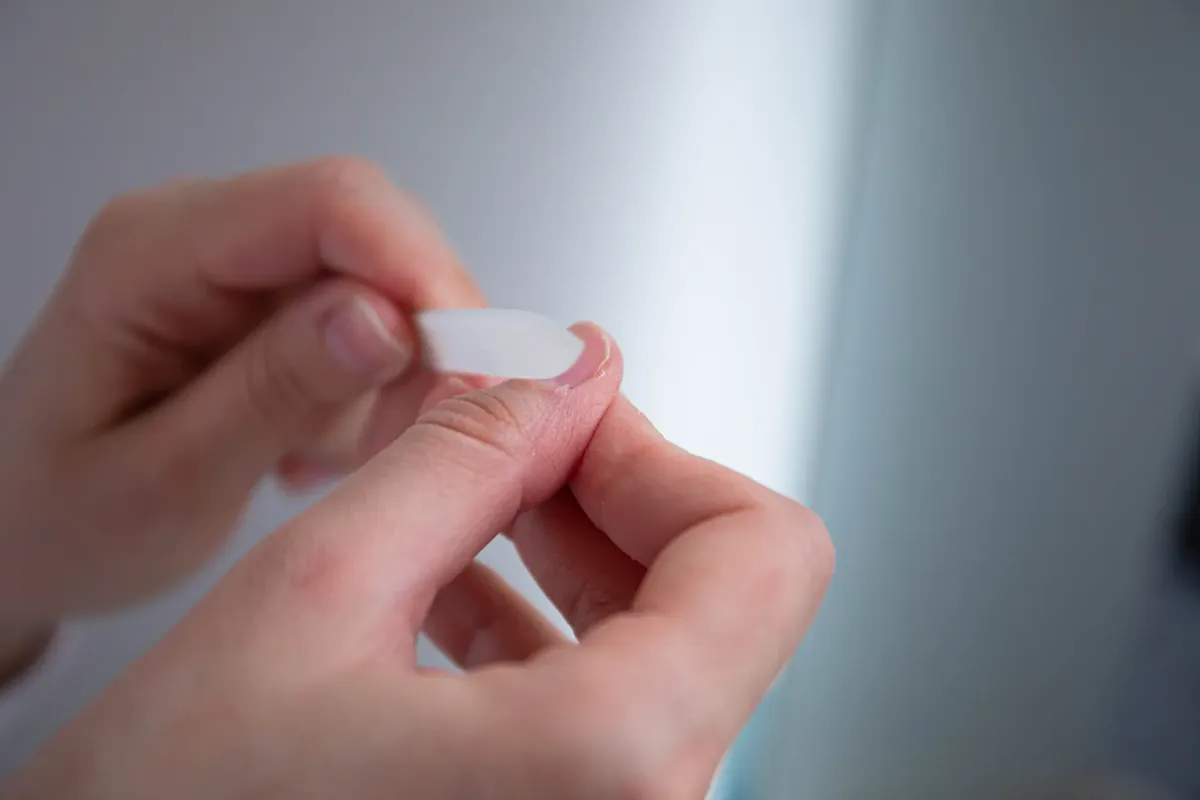
According to the International journal of environmental research, 60% of informal nail technicians reported health-related symptoms.
The preparation phase is where most damage occurs, as aggressive pushing or cutting can lead to immediate peeling or painful hangnails. To prevent this, focus on softening the cuticle with a dedicated oil or cream before using a tool, and avoid cutting the live tissue entirely.
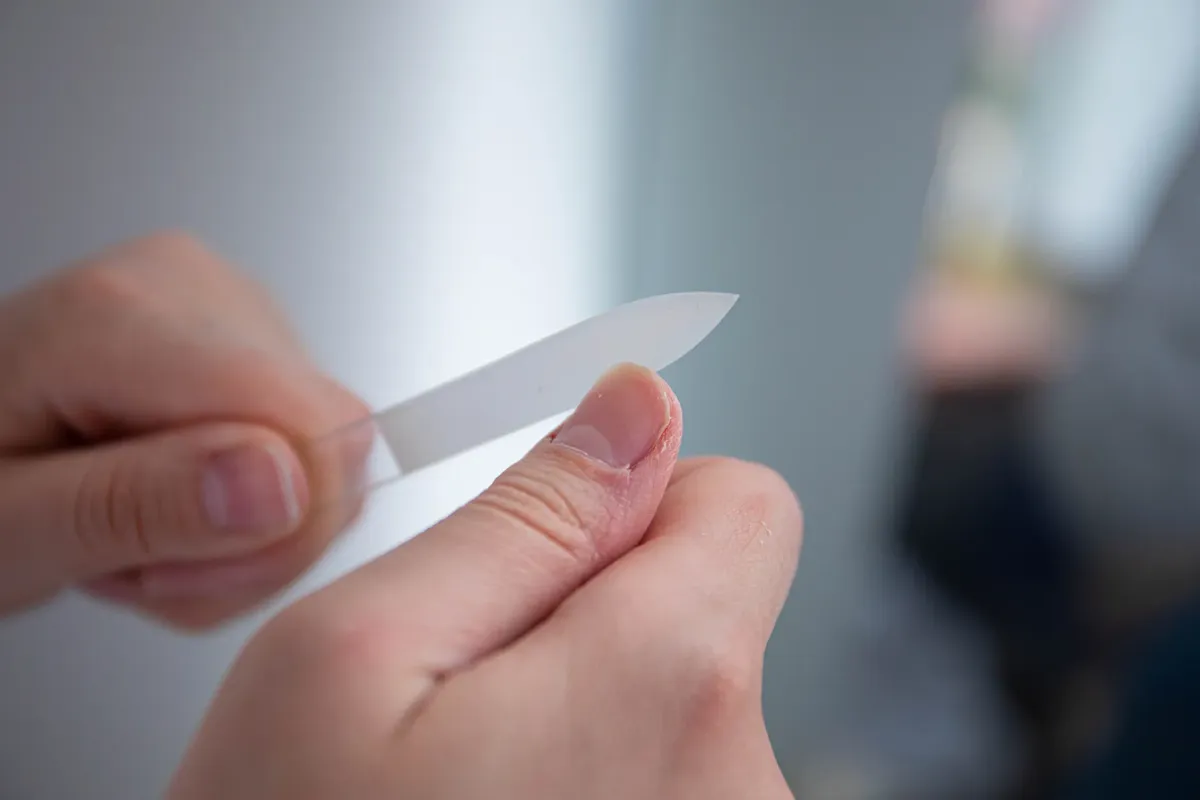
- Soak your hands in warm water for three minutes to soften the skin. 2. Use a glass cuticle pusher to gently nudge the skin back without scraping the nail plate. 3. Apply a thick cuticle oil to the base of each nail to keep the skin elastic.
When you work on the nail plate, ensure you do not scrape too hard. If you push too much, you might cause the nail to lift from the bed, creating a gap that invites moisture.
The nail plate is a living structure that relies on the seal provided by the cuticle. If you damage this seal during prep, the nail becomes much more susceptible to environmental stressors.
I remember sitting at my desk one Tuesday morning, looking at a jagged edge where I had pushed too hard with a metal tool. That small mistake led to a week of painful lifting, which is why I now prioritize much softer tools.
One limitation to this method is that it does not apply to those with existing fungal infections or severe medical nail conditions, where professional consultation is mandatory.
How to apply polish to shield the compromised nail plate?
The lamp hums a low, steady tone in the quiet room, casting a soft violet light across the tabletop. You carefully dip the brush into the bottle, watching the clear liquid cling to the bristles.
According to the American journal of infection control, bacterial burden increased over time for all nail types in 2018.
Applying a base coat is the most critical step for protecting a compromised or thin nail plate. A high-quality base coat acts as a physical barrier, preventing pigments from staining the nail and providing a smooth surface for color.
According to, applying any polish to shield the compromised nail plate can help prevent further vertical splitting or thinning during the wear period. This barrier prevents the nail from absorbing too much moisture or losing its natural oils to the pigment.
| Tool Type | Best Use Case | Risk Level |
|---|---|---|
| Rubber Pusher | Sensitive cuticles | Very Low |
| Metal Pusher | Hardened cuticles | Moderate |
| Glass File | Smoothing edges | Low |
If your nails are already thin, look for a ridge-filling base coat. These formulas contain micro-fillers that level out the surface, providing extra structural support to the natural nail.
Avoid applying color directly to the naked nail if you notice any ridges or peeling. The extra layer of protection provided by a specialized base is essential for maintaining the integrity of the nail plate.
Why do nails break after removal?
The sink is full of soapy water, and the smell of acetone hangs heavy in the air. You watch as the colorful polish dissolves, leaving the nails bare and slightly duller than they were an hour ago.
According to the The Journal of hospital infection, SP nails were associated with a higher bacterial burden than GP nails on day 4 in 2025.
Nail breakage often occurs during the removal phase due to excessive soaking or aggressive scraping. When the nail plate is stripped of its natural oils during chemical removal, it becomes brittle and loses its flexibility.
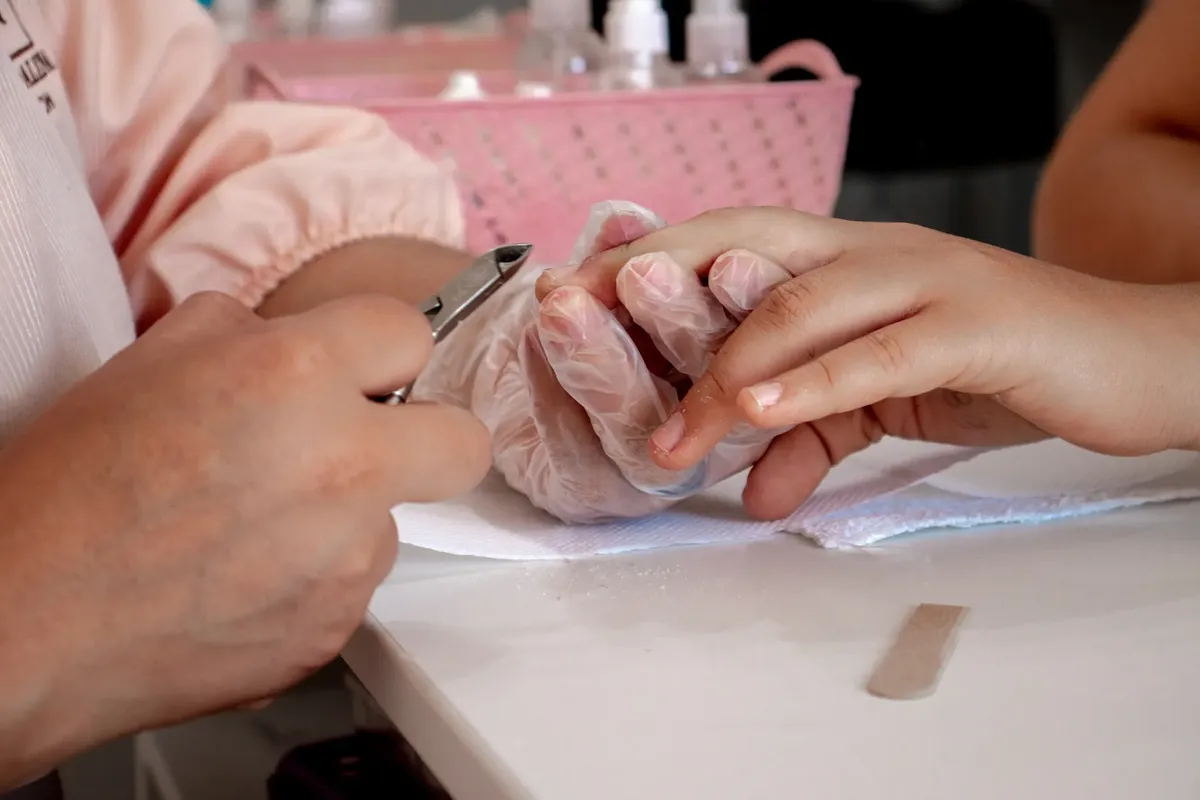
To minimize breakage, always use an oil-based remover if you are using traditional polish, or follow the manufacturer's specific soaking instructions for gel. Never peel or scrape the product off the nail, as this pulls away the top layers of the nail plate itself.
- Saturate a cotton pad completely with remover. 2. Hold the pad firmly against the nail for at least sixty seconds. 3. Wipe in one direction to avoid spreading pigment or causing friction.
A common mistake is thinking that a "quick scrub" is effective. This friction generates heat and mechanical stress that weakens the keratin structure.
If you use gel or soak-off products, the damage is often cumulative. Each time you strip the polish, you are essentially thinning the protective keratin layer of your natural nail.
I once tried to peel off a stubborn gel set while running late for a dinner party. The result was a surface so thin it felt like paper, proving that patience is the most important tool in any kit.
How to restore strength after heavy use?
The sun shines through the window, illuminating the dust motes dancing above a bottle of thick, nourishing hand cream. You reach for a heavy glass jar, the scent of lavender filling the air as you prepare a recovery treatment.
According to the Journal of cosmetic dermatology, a significant improvement of dermis density and skin moisture was observed in the collagen peptides group after 84 days in 2024.
Restoring strength requires a break from all chemical products and a focus on deep, lipid-rich hydration. This period of "naked" nail time allows the keratin layers to re-bond and settle.

The primary goal of a recovery phase is to rebuild the moisture-to-protein balance. This can be achieved through the following steps:
- Apply a heavy-duty urea-based cream to the fingertips every night. 2. Avoid using any hardeners that contain formaldehyde, as these can make nails too brittle. 3. Keep nails trimmed short to reduce the leverage that causes breaks.
While hardeners can provide a temporary feeling of strength, they often lead to long-term brittleness. True strength comes from a flexible, well-hydrated nail plate.
If you notice your nails are peeling in layers, it is a sign of dehydration. Incorporating jojoba oil into your routine is effective because the oil molecules are small enough to penetrate the nail plate.
Using a heavy cream or oil is not a substitute for medical treatment if you have underlying health issues. For most people, however, this simple regimen can stabilize the nail surface.
What are the best daily habits for nail health?
The evening routine begins with the soft click of a lamp being turned off. You sit in the dim light, carefully massaging a thick balm into your cuticles, feeling the skin soften under your touch.
Daily habits are the foundation of long-term nail health and prevent the need for constant repair. Consistency in hydration and protection is more effective than any single expensive treatment.
Protective wear is essential when dealing with household chores. Chemical cleaners and even prolonged exposure to water can degrade the natural oils in your nails, leading to dryness and splitting.
* Protective Wear: Wear gloves when doing household chores like washing dishes or using cleaning chemicals to prevent chemical degradation. - Hydration from Within: Ensure adequate water intake, as nails are highly dependent on systemic hydration. - Gentle Grooming: Never use sharp tools to pick at or cut living skin around the nail.
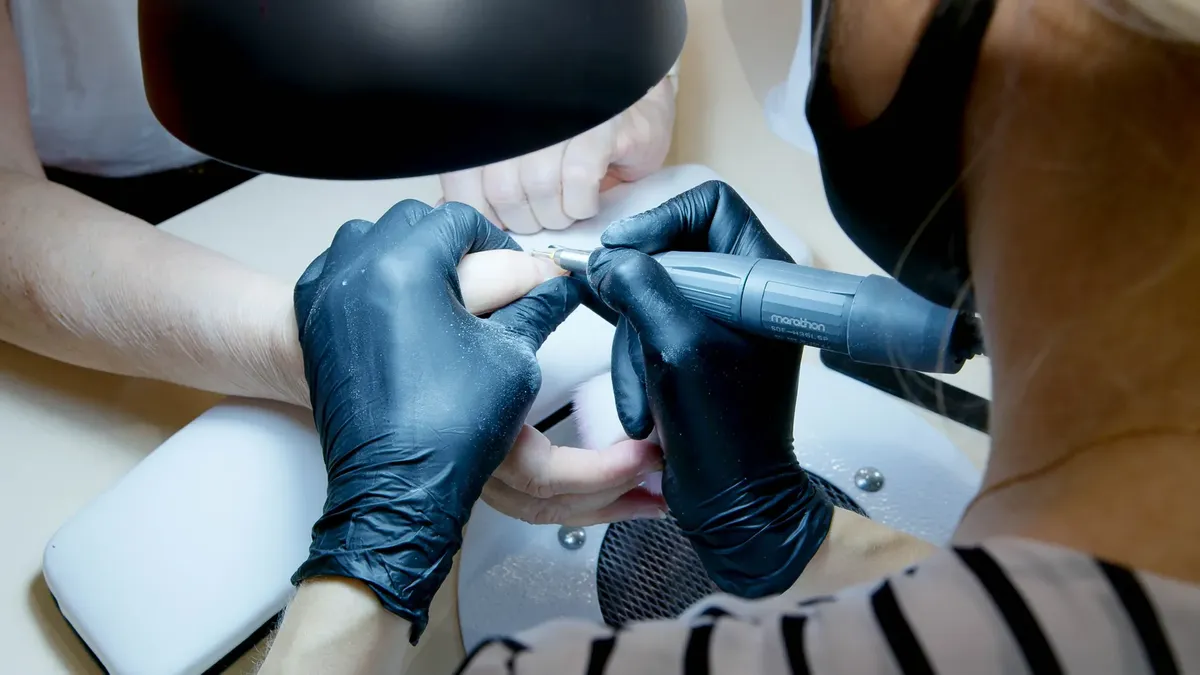
A common mistake is neglecting the hands while focusing only on the nails. The skin around the nail, the perionychium, must be kept supple to prevent the nail from lifting.
I always keep a small bottle of cuticle oil in my purse. Applying it once or twice a day during work hours has kept my cuticles from cracking during the winter months.
When I tried the steps in order, the second one is where I paused longest.
To prevent peeling, focus on gentle preparation and deep hydration. Avoid aggressive cuticle pushing and always use a protective base coat to create a barrier between the polish and the nail plate.
Related

Comments 0