3 Phases to Healthy Nails: Recovery After Chemical Exposure
"Don't let a bad manicure dictate your long-term nail health; recovery is a process of patience and consistent care."
If you've over-filed your nails or experienced peeling after a gel removal, you aren't alone. Achieving healthy nails again requires a shift from aesthetic focus to structural repair.
Key Takeaways * Immediate stabilization is necessary to prevent cracks from turning into full breaks. * Consistency in hydration and protection is more important than a single expensive treatment. * Knowing when to stop home care and see a professional is vital for preventing infection.
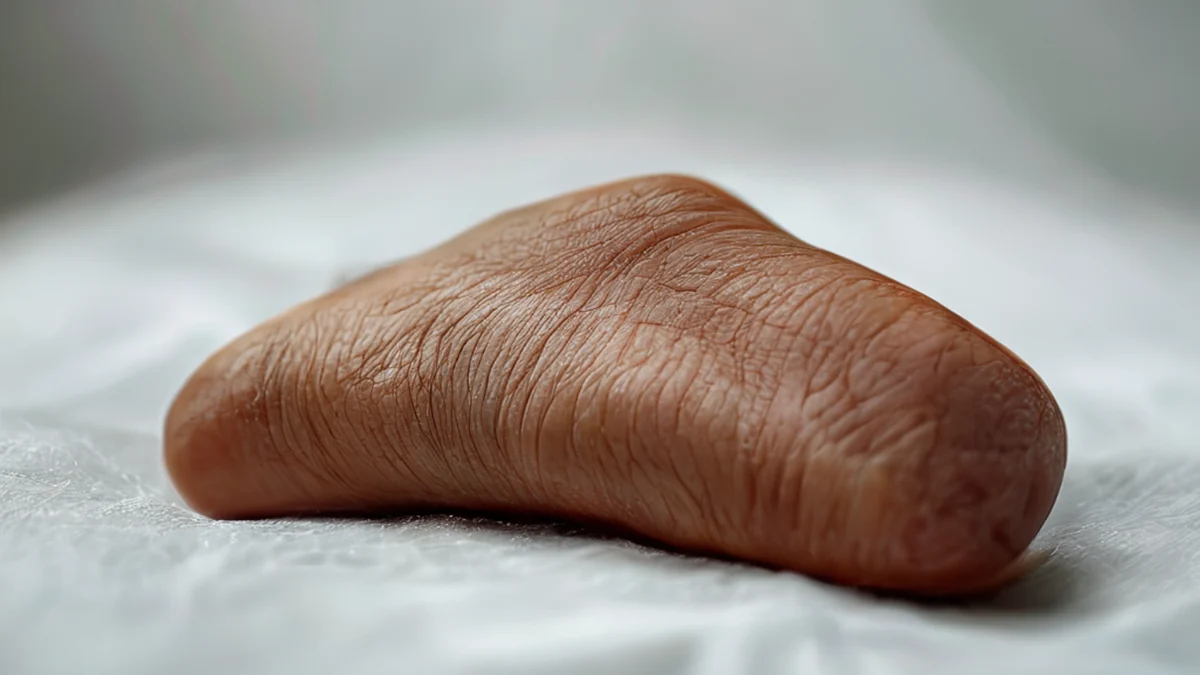
Why Do My Nails Need Recovery? Identifying the Damage
The fluorescent lights of a salon hum overhead as you stare at a thin, translucent nail plate that feels paper-soft to the touch. You realize that the "quick soak" you did last night actually stripped away your natural oils.
Understanding the type of damage you are facing is the first step in choosing the right remedy. Surface discoloration—often seen as yellowing—can sometimes be a simple stain from dark polish, but it can also indicate a change in the nail's health.
Minor trauma, like a snagged edge, is a physical issue that requires smoothing. However, deep structural damage, such as thinning of the nail plate or separation from the nail bed, requires a much more disciplined approach.
The root cause often falls into three categories: chemical exposure from harsh removers, physical impact from improper filing, or "moisture cycling," where nails swell and shrink constantly due to water exposure.
You must also watch for warning signs that demand a visit to a doctor or a professional podiatrist. If you see redness, swelling, pus, or a dark streak that doesn't move as the nail grows, home remedies are no longer sufficient.
Healing also relies heavily on nail bed circulation. When you massage the area around the nail, you encourage blood flow to the matrix—the part of the nail that actually grows. This biological support is what will eventually replace the damaged tissue.
How can I stop the damage right now? You sit at your vanity at 8:00 PM, looking at a jagged edge that threatens to catch on your sweater. The instinct is to file it aggressively, but you stop yourself, remembering that the nail is currently vulnerable.
The first step is a gentle cleansing protocol. Avoid using harsh, scented soaps that strip natural lipids. Instead, use a mild, pH-balanced cleanser to remove debris without causing micro-tears in the weakened nail plate. After washing, pat—do not rub—your hands dry.
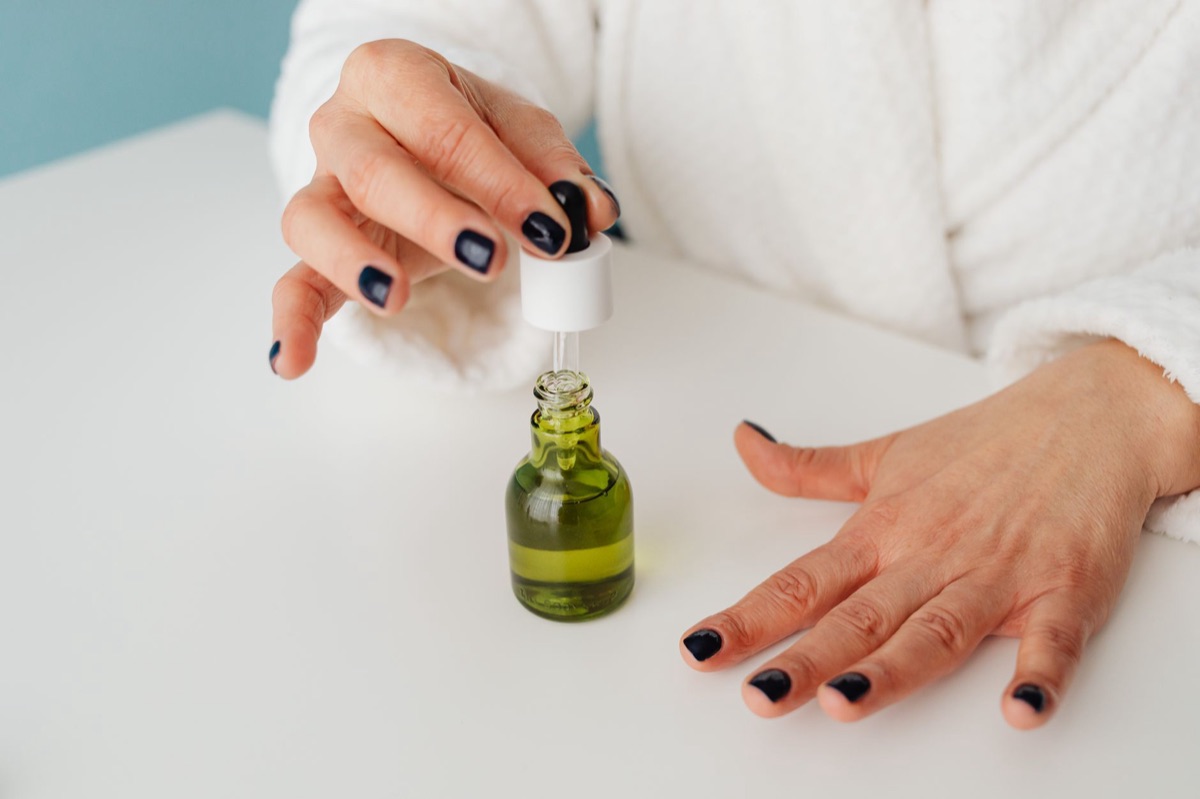
Next comes the hydration strategy. Apply a thick, nourishing cuticle oil or a heavy balm to the cuticle and the surrounding skin immediately after cleansing. This prevents "trans-epidermal water loss," which can make nails even more brittle.
For protection, you might be tempted to use a hardener, but a simple clear strengthening coat can act as a sacrificial barrier. This layer takes the brunt of daily wear so your natural nail doesn't have to. Most importantly, you must avoid triggers.
If a specific brand of hand sanitizer or a certain type of cleaning agent caused the damage, stop using them immediately.
How can I restore my strength and health? The morning sun hits your desk as you prepare a breakfast rich in proteins and greens. You realize that while topical treatments help the surface, the strength of your nails is built from the inside out.
Deep recovery requires a dual approach of nutrition and targeted topical care. Because nails are made of keratin, a diet supporting protein synthesis—including adequate intake of biotin, zinc, and B vitamins—is essential for healthy regrowth.
While you can't "eat" a nail back to health overnight, providing the building blocks helps the new nail grow in stronger than the old one.
For topical treatments, look for oils that can actually penetrate the nail plate, such as jojoba oil. Unlike heavier waxes, jojoba has a molecular structure that allows it to seep into the keratin layers. Use these oils to nourish the nail matrix specifically.
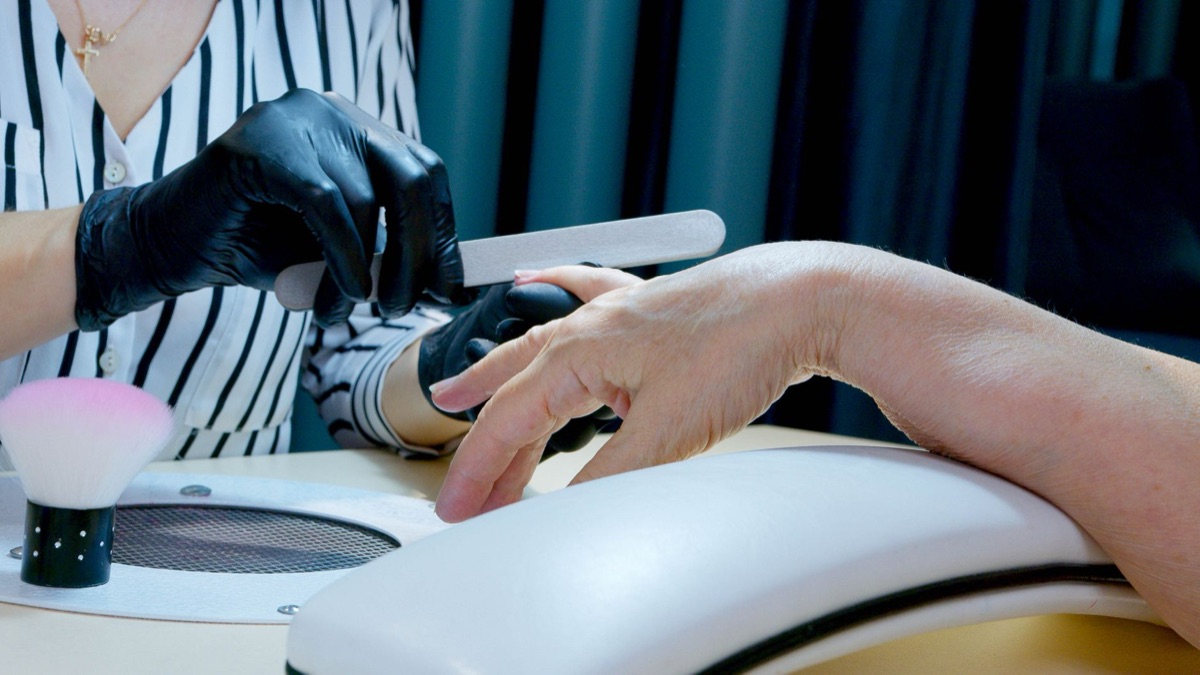
When it comes to shaping, use a high-quality glass file rather than a coarse emery board. Hold the file at a slight angle and file in one direction—never a sawing motion. This prevents the layers of the nail from peeling apart.
Finally, allow your nails to "breathe." This doesn't mean oxygen enters the nail, but rather that you aren't constantly suffocating the nail plate under thick layers of heavy polish, which can trap moisture and lead to softening.
Phase 3: Prevention & Maintenance – Keeping Them Strong
You stand in the kitchen, reaching for a sponge to scrub a dish, but you pause to pull on a pair of yellow rubber gloves instead. This small habit is the difference between a permanent recovery and a cycle of constant damage.
The transition from recovery to maintenance is about changing your habits. While you might have used aggressive buffing to smooth out ridges during the recovery phase, you must stop once the surface is even. Over-buffing thins the nail plate and makes it much more susceptible to future damage.
Moisture management is your best defense. Whenever you perform "wet chores"—washing dishes, cleaning the bathroom, or even long baths—always wear gloves. Constant soaking causes the nail to expand, and as it dries and contracts, it weakens the intercellular bonds.
Establish a recovery schedule to keep the momentum. For most people, a daily application of cuticle oil is a non-negotiable habit. As your nails return to a healthy thickness, you can gradually reintroduce decorative polishes, but always use a base coat to provide a buffer.
| Feature | Recovery Phase | Maintenance Phase |
|---|---|---|
| Primary Goal | Structural repair & protection | Preventing new damage |
| Filing Frequency | Only as needed to prevent snags | Weekly shaping |
| Moisture Focus | Heavy oils and barrier creams | Regular hand cream application |
| Polish Use | Clear strengthening coats only | Decorative colors allowed |




Comments 0