Moisture Matters: Boost Nail Health With Daily Care
"The cuticle is not just something to be removed; it is a protective barrier for your nail."
At-home cuticle care involves softening the skin around the nail in warm water, gently pushing it back with a dedicated tool, and applying oil to lock in moisture. Rather than cutting the skin away, the secret to healthy nails lies in smoothing the edges through consistent hydration.
* The cuticle acts as a shield to prevent bacteria from entering the nail bed. * Forcing the skin to be cut away often leads to inflammation and infection. * Using a cuticle pusher and moisturizing oil to gently guide the skin is the safest method. * Regularly supplying moisture helps improve skin texture and nail density.
Why do my cuticles always look ragged and messy?
A rainy Tuesday afternoon arrives, and as you sit by the window with a warm mug of coffee, you find yourself staring at your hands. The rough, uneven bits of skin around your fingernails catch the light, looking particularly distracting and unkempt.
This roughness usually stems from a lack of moisture and constant physical irritation. The cuticle exists specifically to protect the base of the nail from the outside environment.
When you strip this tissue away, your body often responds by producing thicker, harder skin to compensate for the loss of protection.
According to the American journal of infection control (2018), "Bacterial burden increased over time for all nail types (P≤.0001)." This indicates that the microbial load on the nails can increase over time depending on the nail type and condition.
If you manage your cuticles incorrectly and create tiny micro-tears, you may inadvertently make your hands more vulnerable to bacterial entry.
As of 2026, cuticle care has evolved from a simple beauty ritual into a fundamental aspect of nail health. Many people currently struggle with "hangnails" and dry edges due to increasingly dry indoor environments.
The current trend focuses on natural hydration rather than aggressive removal. This shift became particularly evident throughout 2024 and 2025 as people moved away from harsh chemical peels.
However, even with the best intentions, many people still use the wrong tools.
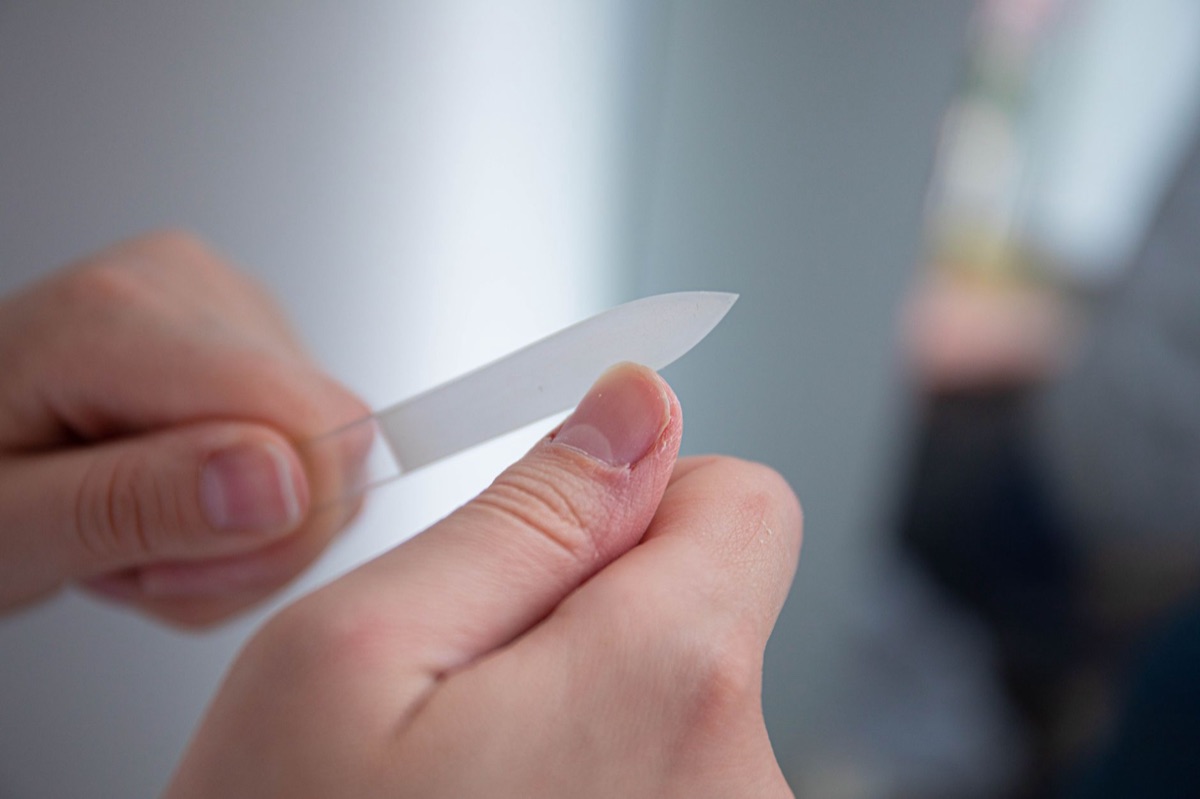
How can I manage my cuticles safely at home?
Under the warm glow of the bathroom light, you prepare a small basin of warm water. As your fingertips dip into the liquid, the heat begins to relax your tension, and you can feel the skin starting to soften and swell.
To stay safe, you must shift your mindset from "removal" to "grooming." Here is a step-by-step routine you can follow at home:
- Soak the hands: Submerge your fingers in warm water for about 5 minutes to soften the cuticle. Adding a drop of oil to the water can boost this effect.
- Apply remover: Spread a thin layer of cuticle remover along the nail line.
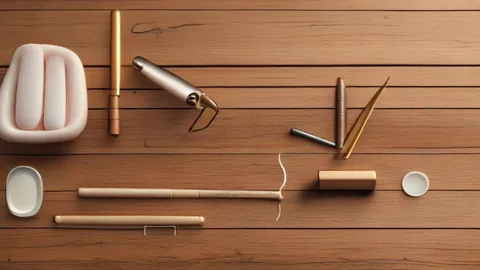
- Gently push back: Using a stainless steel pusher or a wooden orange stick, very lightly push the skin back toward the knuckle. You are not trying to press hard; you are simply smoothing the line.
- Clean up residue: Use a clean cotton pad to wipe away any softened skin or remover residue.
- Finish with moisture: Apply a generous amount of cuticle oil and massage it into the fingertips to ensure absorption.
| Step | Supplies Needed | What to Watch For |
|---|---|---|
| Preparation | Warm water, oil | Keep water temperature comfortable, not scalding |
| Grooming | Pusher, remover | Avoid applying heavy pressure that could bruise the nail |
| Hydration | Cuticle oil, hand cream | Apply thoroughly to the base and sides of the nail |
My Quick Routine Summary: 1. Soak hands in warm water for 5 to 10 minutes. 2. Use a pusher to gently nudge the cuticle back. 3. Use nippers only on protruding hangnails, not the skin itself. 4. Apply a heavy layer of oil to seal everything in.
I noticed during my own practice that applying even the slightest bit of pressure felt much more irritating than a light, sweeping motion. After massaging the oil in for about 3 minutes, the skin felt significantly more organized and smooth.
But even the best topical routine can fail if you aren't fueling your body correctly.
What nutrients actually make my nails stronger?
Late at night, tucked under the covers, you apply a thick layer of hand cream. As you press your fingertips together and breathe in the scent of the oil, the day's stress seems to melt away.
According to the Journal of the American College of Cardiology (2025), certain medical considerations involve a 3.3% risk level in specific monotherapy studies.
While topical care is vital, the strength of the nail itself relies on internal health. Skin density and moisture levels are closely linked to your overall nutritional status.
According to the Journal of cosmetic dermatology (2024), "After 84 days, a significant improvement of dermis density and skin moisture was observed in the collagen peptides group compared to the placebo group."
This suggests that collagen peptide supplementation may play a role in improving skin density and moisture levels. Since the tissue surrounding the nail is skin, maintaining this area through proper nutrition can keep it resilient.
Nails are primarily composed of a protein called keratin. Therefore, a diet rich in protein, combined with high water intake, is essential.
Drinking at least 1.5 liters of water a day and applying moisturizer immediately after washing your hands are free ways to protect your nails. You might also consider applying a nail strengthener once or twice daily.
Many people find that taking a biotin supplement daily helps, often seeing a difference in nail hardness after about 2 to 3 weeks of consistency.
However, even with a perfect diet, one specific habit can undo all your progress.
Common mistakes and what to avoid
You lay out your new nail tools on the desk, feeling the cold, smooth surface of the metal pusher against your palm. It feels professional, but there is a risk if used incorrectly.
According to The Cochrane database of systematic reviews (2022), there are 2 studies regarding the risk of complications.
The single biggest mistake people make at home is the over-use of nippers. If you see a ragged edge and immediately snip the skin, your body views this as an injury.
To heal, it creates even thicker, tougher skin, leading to a cycle of increasingly heavy cuticles.
Furthermore, using unsterilized tools is a genuine risk. Because the bacterial burden can change based on how you manage your nails, you should always sanitize your tools with alcohol before and after use.
Please note that this routine is not for everyone. If your nails are severely cracked, bleeding, or showing signs of active infection (redness, swelling, or heat), stop all DIY care immediately and consult a medical professional.
Safety Quick-Guide: * Do not cut more than 1mm of the cuticle area to avoid inflammation. * Use lukewarm water (between 98°F and 104°F) rather than hot water to prevent irritation. * Avoid cutting nails too short; leaving 1-2mm of free edge prevents breakage.
* Always disinfect metal tools with rubbing alcohol.
Daily habits for healthier hands
Standing before the mirror before heading out the door, you take one last look at your hands. Seeing clean, well-kept nails gives you a small, unexpected boost of confidence for the day ahead.
Nail health is about more than just what you apply; it is about the small habits that accumulate over time.
- Wear gloves: Always use rubber gloves when washing dishes or using household cleaners to protect against harsh chemicals.
- Stop biting: Biting your nails is the fastest way to destroy the surrounding tissue.
- Maintain length: Keeping nails at a moderate length prevents them from catching on things and lifting the cuticle line.
- Moisturize constantly: Make it a rule to apply oil specifically around the nail edges every time you wash your hands.
Try to wash your hands for at least 30 seconds and apply moisturizer immediately after. Instead of applying a large amount of cream once, try applying small amounts 5 times throughout the day for better absorption.



Comments 0