Cuticle Care Tips: 4 Steps to Prevent Painful Infections
"The difference between a salon-quality manicure and a painful infection is often just the decision to stop cutting the living tissue."
Maintaining healthy cuticles requires distinguishing between the dead skin that can be trimmed and the living tissue that must be protected. By prioritizing deep hydration and gentle pushing over aggressive cutting, you can prevent painful hangnails and promote stronger nail growth.
Key Takeaways * Prioritize hydration and gentle pushing over aggressive cutting to prevent infection and regrowth. * Maintain a consistent daily routine using oils and creams to protect the nail matrix. * Understand that hygiene is critical to prevent bacterial buildup around the nail bed.
* Use specific tools and techniques to avoid damaging the living tissue of the cuticle.

How can I maintain healthy cuticles without causing damage?
At dawn in the quiet bathroom, you reach for sharp metal nippers and feel the sudden sting of sliced skin.
Walking into a bathroom at 7:00 AM, you reach for a pair of sharp nippers and begin trimming the thin, translucent skin around your nails. By the time you finish, your fingertips are red, stinging, and the skin looks even thicker than before. This is the cycle of improper cuticle care.
The first step to healthy nails is understanding the anatomy of your nail bed. You must distinguish between the eponychium—which is the living tissue that protects the nail matrix—and the cuticle, which is the thin layer of dead skin attached to the nail plate.
The Golden Rule is simple: never cut the living skin. If you cut the proximal nail fold, your body responds by producing thicker, harder skin to protect the area, leading to a permanent cycle of painful regrowth.
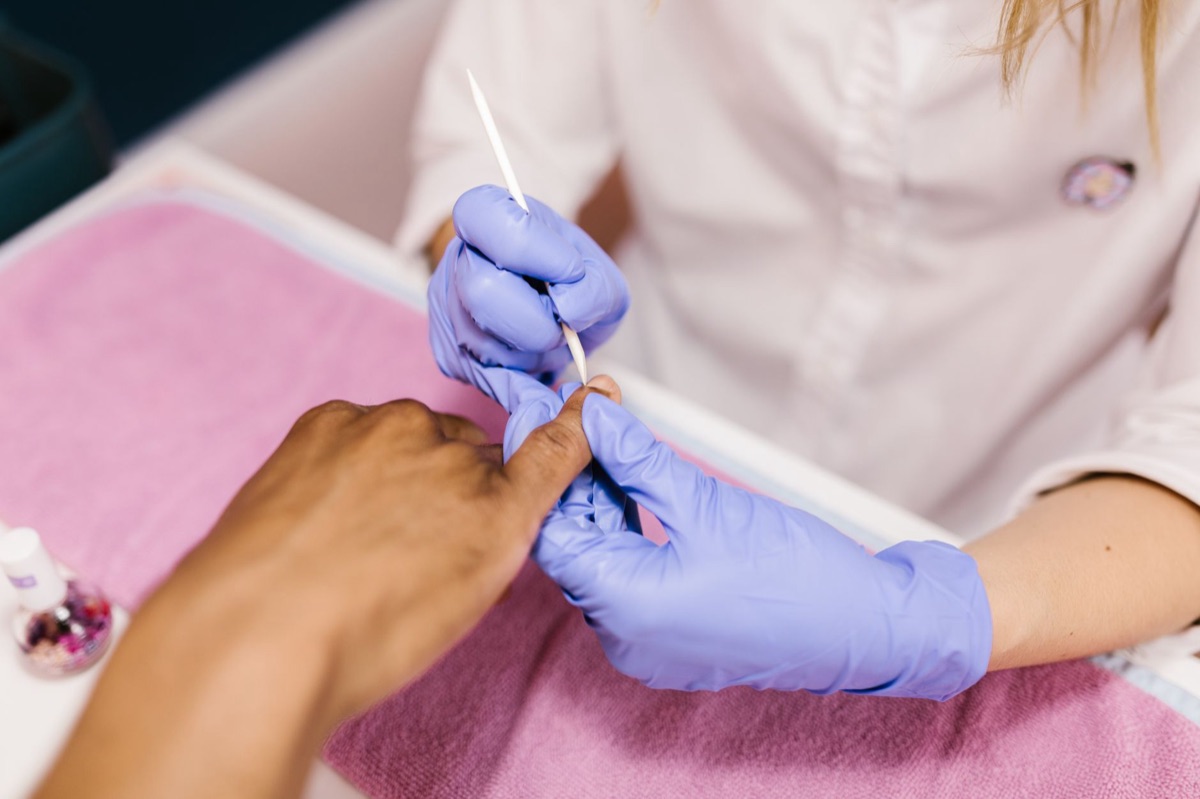
To manage the dead skin safely, use a high-quality cuticle pusher made of metal or glass. After a warm soak, use the tool to gently guide the softened skin back toward the knuckle. This keeps the nail plate clear without causing trauma.
For a weekly maintenance session, perform a "softening soak" using warm water and a mild, fragrance-free soap to prep the nails for gentle pushing.
However, the biggest hurdle isn't the tool—it's the habit.
What is the step-by-step daily cuticle care routine?
The sun hits the vanity mirror at 8:00 AM, reflecting the dry, white patches of skin around your cuticles. You realize that a once-a-week scrub isn't enough to keep your hands looking healthy.
When I first started focusing on nail health in early 2025, I realized that my "quick fix" approach was actually making the dryness worse. I had to move from a weekly scrub to a much more frequent, gentle cadence.
To transform your nail health, follow this consistent daily routine:
- Cleanse: Wash your hands thoroughly with a gentle cleanser to remove dirt, oils, and bacteria.
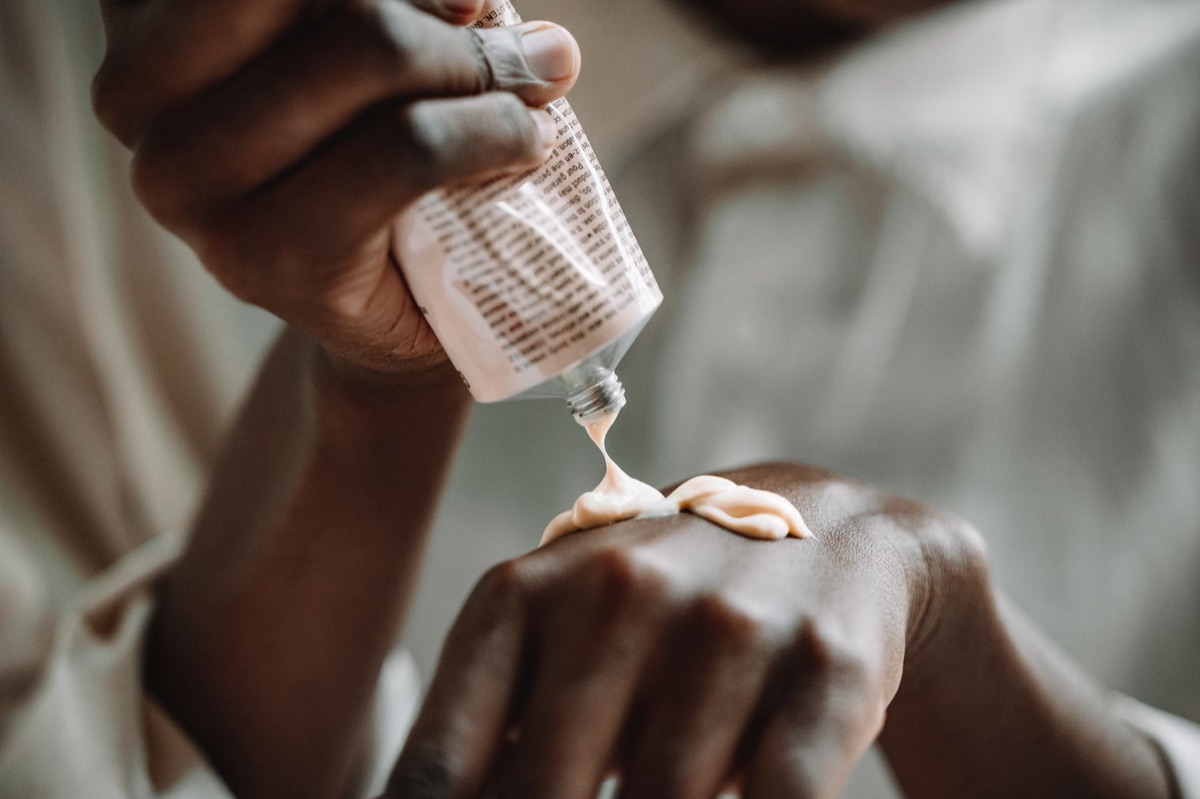
- Moisturize: Apply a nourishing hand cream to the entire hand, ensuring the skin around the nails is well-coated.
- Targeted Oil: Apply a specialized cuticle oil specifically to the base of each nail. This allows the oil to penetrate the nail plate itself.
- Massage: Use your thumb to massage the oil into the skin. This physical action stimulates blood flow to the nail matrix, which is essential for healthy growth.
- Consistency: Re-apply oil at least twice a day—once in the morning and once before bed—to maintain constant moisture levels.
But even with a perfect routine, the invisible threat of bacteria remains.
How do I prevent bacterial buildup and infection?
You look down at your hands after washing them in a public restroom, noticing a small, red swelling near your thumb. The slight throbbing reminds you that the area around your nail is sensitive and vulnerable.
Maintaining hygiene is the most important defense against infection. It is vital to keep the area relatively dry after washing to prevent opportunistic bacteria from thriving in damp crevices.
You should also avoid using dirty or rusted tools; always sanitize metal tools with 70% isopropyl alcohol after every single use.
The relationship between skin moisture and the skin's natural barrier is critical. When the skin is cracked or cut, the barrier is broken. This is dangerous because the bacterial burden can increase over time for all nail types.
For instance, research published in the *American journal of infection control* (2018) found that the bacterial burden increased over time for all nail types. This highlights why keeping the skin intact is the first line of defense.
If you notice redness, swelling, or pain, stop all home care immediately. These are signs of infection or inflammation. If the area becomes hot to the touch or the swelling spreads, consult a healthcare professional.
The question remains: which products actually deliver results?
What are the best products and tools for cuticle care?
You stand in the beauty aisle, staring at dozens of bottles of oils, creams, and metal tools, wondering which ones actually work for nail health.
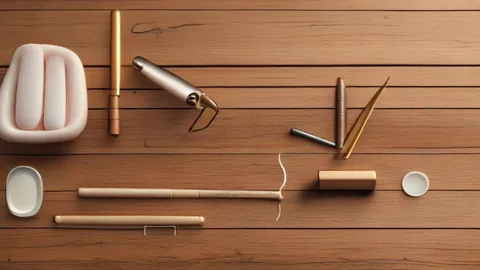
To build an effective kit, you need specific tools and ingredients. Essential tools include a sturdy cuticle pusher, nippers (reserved exclusively for trimming loose hangnails), and a soft nail brush for cleaning under the tips.
| Tool/Ingredient | Primary Function | Best For |
|---|---|---|
| Metal Pusher | Gently pushes back skin | Daily maintenance |
| Cuticle Nipper | Trims dead, hanging flaps | Preventing snagging |
| Jojoba Oil | Deep penetration | Hydrating the nail plate |
| Vitamin E | Skin repair | Soothing dry cuticles |
When selecting products, look for jojoba oil. Because jojoba oil has a very small molecular size, it can penetrate the nail plate more effectively than thicker greases. Ingredients like glycerin and vitamin E are also vital for maintaining the skin's integrity.
The role of collagen-boosting ingredients is also worth noting for overall hand health.
For example, after 84 days, a significant improvement of dermis density and skin moisture was observed in the collagen peptides group compared to the placebo group, according to the *Journal of cosmetic dermatology* (2024).
This suggests that supporting the skin's structural integrity can lead to better moisture retention. Finally, avoid frequent use of harsh acetone-based removers, as they strip the lipids from the cuticle area, leading to cracks.
But why do so many people fail despite having the right tools?
What are the most common mistakes in cuticle care?
You look at your old manicure and realize the skin looks thicker and more "crusty" than it used to. You realize that your attempt to look "clean" actually caused the damage.
Most people fall into these common traps:
* Mistake 1: Over-trimming. Cutting the proximal nail fold causes the body to grow back thicker, harder skin. * Mistake 2: Neglecting moisturizer. Many people skip moisturizer because the skin "feels oily enough" after applying oil, but oil alone doesn't always provide the hydration needed. * Mistake 3: Using improper tools. Using household scissors insteads of specialized cuticle nippers can lead to uneven cuts and jagged skin. * Mistake 4: Ignoring the distinction. Treating a hangnail (dead, loose skin) the same as the cuticle (living tissue) leads to injury.
It is important to note that these tips are for healthy individuals. If you have chronic skin conditions like psoriasis or severe eczema around the nail bed, these mechanical movements may cause further irritation and should be discussed with a dermatologist.


Comments 0