DIY Nail Care: How to Restore Peeling Nails Without a Clinic
"Stop treating your nails like they are indestructible, because once the layers peel, the damage is already deep."
If you are staring at peeling, brittle, or cracked nails after a bad gel removal, you don't always need a professional clinic to fix the situation. Most nail damage can be managed through a disciplined routine of hydration, gentle filing, and structural reinforcement.
* Consistent hydration using oils and cuticle creams is the single most effective way to prevent brittle nails. * Effective repair requires a multi-stage approach: gentle filing, applying a strengthening base, and protective sealing. * If damage includes persistent redness, severe cracking, or systemic symptoms, professional medical consultation is necessary.
How to Assess and Prepare for Nail Repair
I remember sitting at my vanity last Tuesday, staring at a nail that had peeled so thin it looked like translucent paper. I had tried to rush a gel removal, and now my natural nail plate felt paper-thin and sensitive to the touch.
Before you grab a bottle of polish, you must first understand what you are dealing with. You need to distinguish between cosmetic damage, like staining or minor chipping, and structural damage, such as deep cracking, peeling layers, or extreme brittleness.
Structural damage requires a much more careful approach because the nail plate itself is compromised.
To start your recovery, gather these essential supplies: * A dual-sided nail file (180/240 grit is ideal for natural nails). * High-quality cuticle oil (look for jojoba-based oils). * A dedicated nail strengthener or hardener. * A non-toxic, acetone-free nail polish remover.
The preparation phase should take about five minutes. First, gently cleanse your nails to remove any old polish or oils. Soak your fingertips in warm water for 3 to 5 minutes to soften the cuticles.
Finally, use a cuticle pusher to gently push the skin back; avoid cutting the cuticle, as this can lead to infection and further damage.
But preparing the surface is only the first step in a much longer recovery process.
What is the Optimal Home Routine for Nail Strengthening?
At dawn, I sat at the kitchen table and massaged warm oil into my cuticles, watching the dry patches fade into the skin.
At 7:00 AM, I sit at my kitchen table with a cup of coffee and a small bottle of jojoba oil. I massage the oil into each nail, watching how the dry, white patches of the nail plate slowly soak up the moisture.
To fix structural weakness, you cannot just apply one layer of polish and hope for the best. You need a layered protocol that mimics the nail's natural lipid barrier.
- Deep Hydration (Morning/Evening): Apply cuticle oil directly to the nail plate and the surrounding skin. Focus on oils that can penetrate the nail, such as jojoba oil or products containing vitamin E.
- Strengthening Application: Apply a thin layer of a dedicated nail strengthener or a hardener. It is vital to apply only a thin layer to prevent the nail from becoming too hard and prone to snapping; allow it to dry completely for about 10 to 15 minutes.
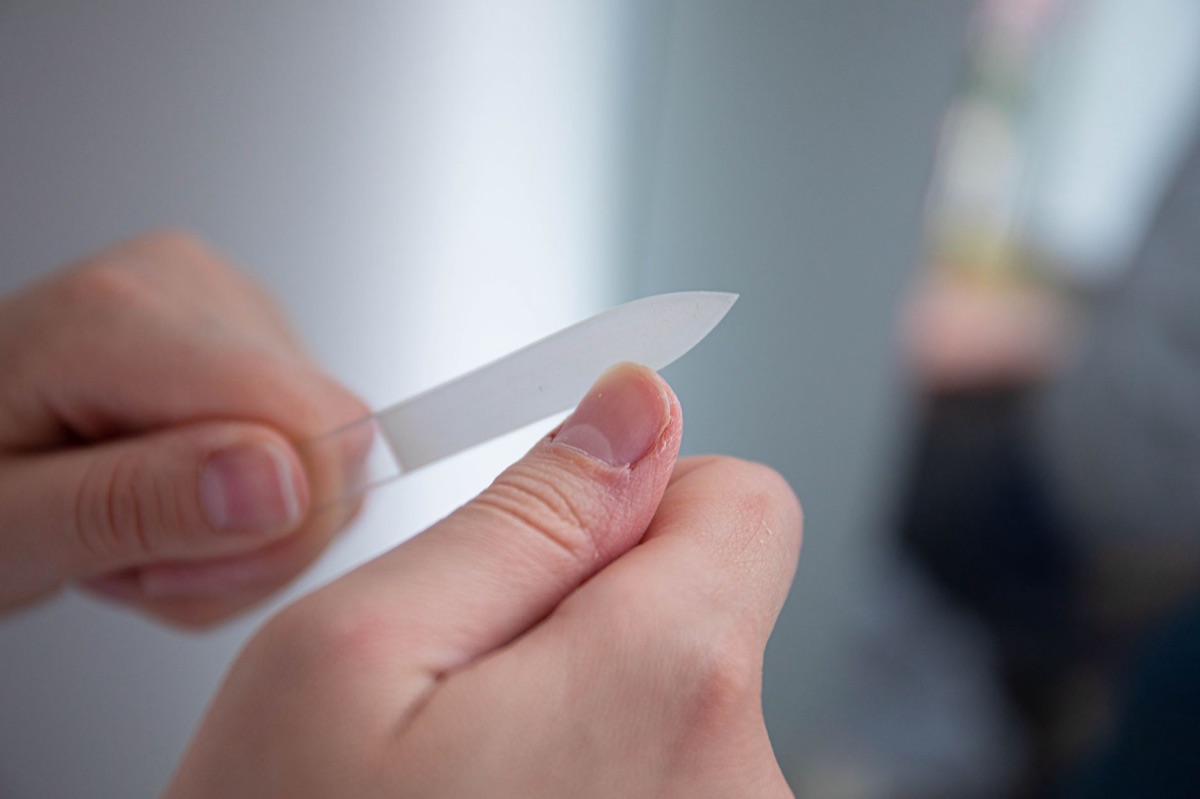
- Protection and Buffing: Use your nail file to smooth out any rough edges. Always file in one direction only; a sawing motion can cause the layers of the nail to separate. Finish by applying a clear top coat to seal the treatment.
For noticeable structural improvement, perform this full routine 3 to 4 times per week.
| Step | Focus Area | Primary Goal |
|---|---|---|
| Hydration | Cuticle & Nail Plate | Restore flexibility and prevent brittleness |
| Strengthening | Nail Plate | Add structural integrity to thin nails |
| Sealing | Nail Edges | Protect the layers from snagging and peeling |
However, maintaining this strength is harder than building it.
How Can I Prevent Future Nail Damage?
I once thought that wearing gloves was just an extra chore, but after a winter of cracked, painful cuticles from washing dishes, I realized that my hands were essentially being stripped of their natural oils every single day.
Prevention is much easier than repair. Once you have spent weeks rebuilding your nails, you want to ensure you don't end up back at square one.
* Avoid Chemical Stressors: Always wear rubber or nitrile gloves when handling cleaning chemicals, dish soap, or harsh solvents. These substances strip the natural oils that keep nails flexible. * Minimize Physical Trauma: Stop picking at your cuticles or using your nails as tools to open cans or scrape surfaces. Use proper tools like pushers or files instead of your fingers. * Internal Health Focus: Nail health is an indicator of internal health. Ensure you have an adequate intake of Biotin and Omega-3 fatty acids to support the keratin production that forms your nails. * Maintenance Schedule: Do not wait for a crisis to care for your hands. Schedule a full hand and nail care session every 2 weeks to maintain the integrity of the nail bed.
This routine is not a substitute for medical treatment if you have underlying health conditions. But sometimes, even the best routine cannot fix everything.
When Is Home Care Not Enough?
I looked at my reflection in the bathroom mirror and noticed a patch of redness around my cuticle that looked different from the usual irritation. It wasn't just a scratch; it looked inflamed and deep.
While most nail issues are cosmetic or structural due to over-processing, some issues are medical. If your nail damage is accompanied by persistent redness, swelling, or pain, you should not attempt to treat it at home.
There are specific signs that indicate you need to visit a clinic or a dermatologist: 1. Signs of Infection: If the area around the nail is hot to the touch, oozing, or extremely painful. 2.
Deepitudinal Ridging or Discoloration: If the nail changes color significantly (yellow, green, or black) or develops deep, vertical ridges that do not resolve with hydration. 3.
Skin Involvement: If the skin around the nail is peeling in large flakes or shows signs of psoriasis-like symptoms.
If you experience these symptoms, stop all DIY treatments immediately.
Related




Comments 0