5-Step Hand Care Ritual: Deeply Nourish Skin & Nails Weekly
"A little bit of warmth and a few minutes of focus can transform tired, weathered hands into a soft, rejuvenated canvas."
Achieving salon-quality hands at home requires moving beyond a quick swipe of lotion to a structured routine of deep hydration and gentle mechanical care.
By focusing on the distinction between skin hydration and nail plate nourishment, you can maintain healthy, resilient hands without expensive weekly appointments.
* Consistent deep hydration is more effective than surface-level moisturizing. * Structured routines differentiate between softening keratinized tissue and nourishing living skin. * Targeted care prevents common issues like brittle nails or cracked cuticles.
Why Does My Skin and Nails Need Dedicated Care?
The sun beats down on your driveway in the heat of July 2026, and the winter wind bites at your knuckles as you walk to your car. Your hands are constantly battling environmental stressors, from harsh detergents to temperature swings, which strip away the natural oils that protect your skin barrier.
The skin on the back of your hand is unique; on the dorsal side, the skin can be moved across the hand up to include a range of about 3 cm (1.2 in), which serves as an important input for cutaneous mechanoreceptors.
Because this skin is thinner and more mobile than the skin on your palms, it loses moisture faster and shows signs of aging or dryness much more quickly.
While your skin needs hydration to maintain elasticity, your nails require a different kind of care. The nail plate is composed of hard, keratinized cells, while the surrounding skin is living tissue.
If you apply heavy, greasy creams to your nails without addressing the cuticle, or if you use harsh sanitizers without replenishing moisture, you risk brittle nails and painful cracks.
When hygiene is necessary, such as when soap and water are unavailable, the CDC recommends using alcohol-based hand sanitizers containing at least 60% alcohol (ethanol or isopropyl alcohol).
However, frequent use of these sanitizers can lead to significant dryness, making a dedicated moisturizing routine essential to repair the barrier you've stripped away.
But knowing the biology is only the first step; you have to know how to act on it.
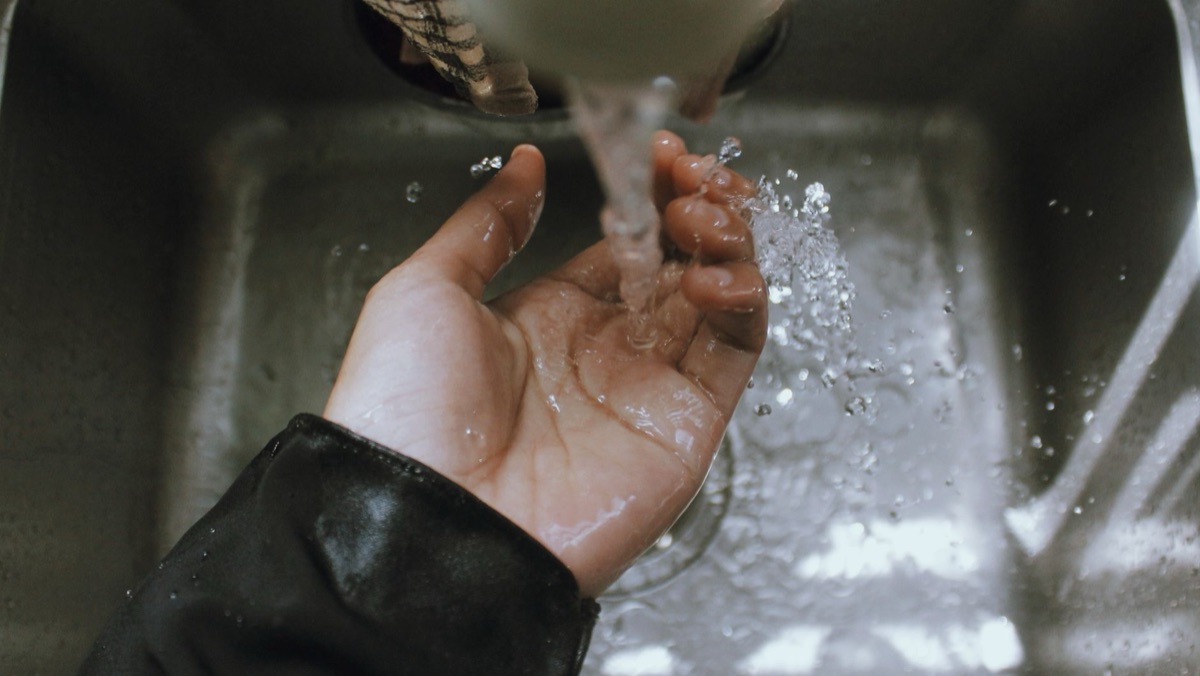
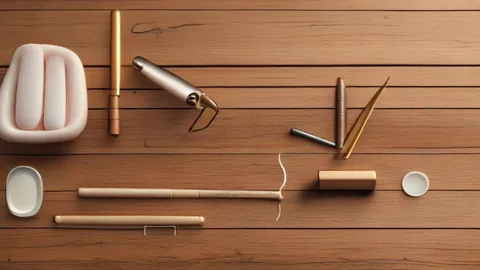
What is my essential at-home hand care ritual? A quiet Sunday evening arrives in 2025, and you sit at your kitchen table with a small ceramic bowl and a soft towel. The steam rises from the water, signaling the start of a ritual that will leave your hands feeling renewed.
To begin a professional-level treatment, follow these phases to ensure your skin and nails are properly prepared and nourished.
Phase 1: Soak & Soften Begin by soaking your hands in lukewarm water for 5–10 minutes. This step is crucial to soften the keratinized tissue of the cuticles, making them much easier to manage without causing trauma to the nail bed.
Phase 2: Gentle Exfoliation & Treatment Once the skin is soft, use a gentle scrub or a specialized cuticle remover to lift dead skin. Instead of cutting your cuticles—which can lead to infections—use a pusher to gently move the softened tissue back.
This keeps the nail bed looking clean while protecting the living skin.
Phase 3: Targeted Nourishment Apply a high-quality oil or a thick cream. If your nails are brittle, look for oils that penetrate deep into the nail plate. If your skin is flaky, look for heavy emollients.
Massage the product into the cuticles and the sides of the fingers to ensure no spot is left dry.
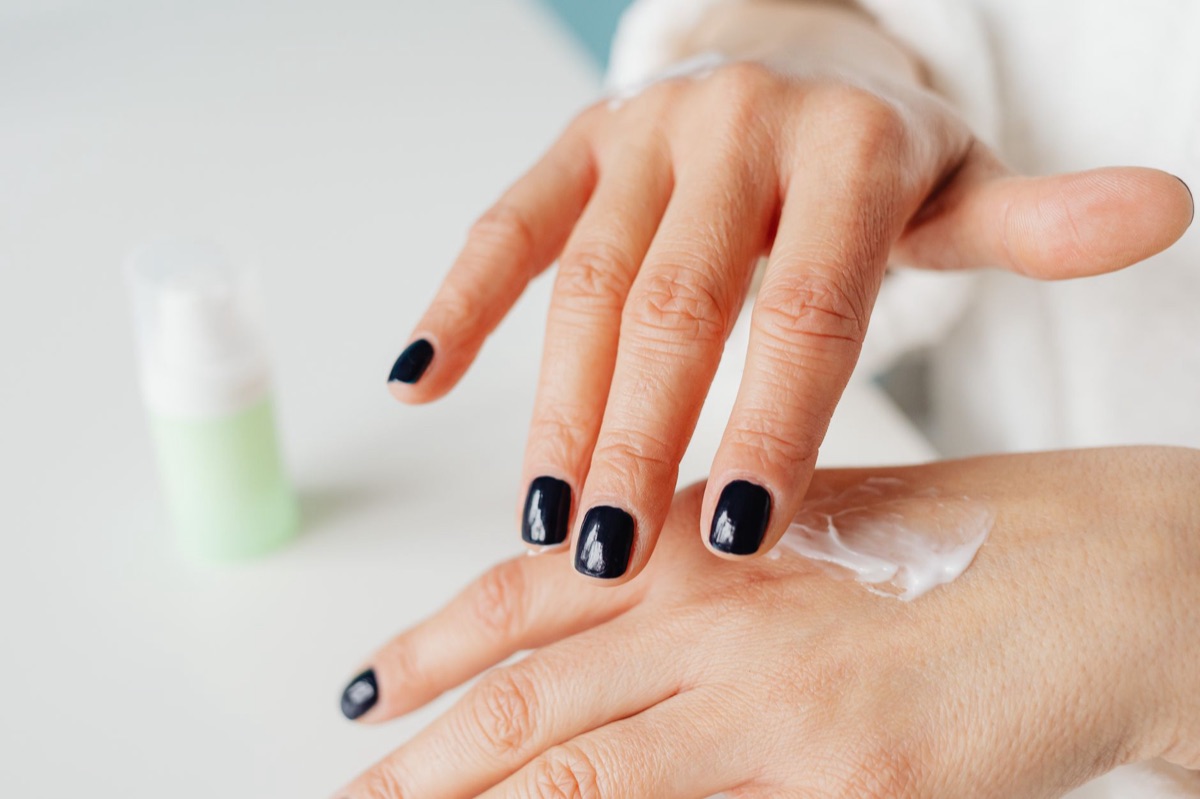
Phase 4: Air Dry & Seal After the treatment, let the excess moisture air dry for a moment before applying a heavy, occlusive balm or a thick hand cream. This "seals" the hydration into your skin, preventing it from evaporating.
| Step | Action | Primary Goal |
|---|---|---|
| 1. Soak | 5-10 minutes in lukewarm water | Soften keratin and dead skin |
| 2. Exfoliate | Gentle scrubbing or cuticle pushing | Clear debris and shape the nail |
| 3. Nourish | Applying oils or thick creams | Deep hydration and elasticity |
| 4. Seal | Applying a heavy balm | Lock in moisture and protect |
But even the best soak can be undone by the chores waiting for you in the kitchen.
How can I go beyond moisturizing for better hand health? You stand over the sink, scrubbing a stubborn stain off a dish, realizing that your gloves are sitting right there on the counter. You realize that even the best routine can be undone by a single moment of neglect.
To maintain strength, focus on the integrity of the nail plate. Avoid filing your nails in a "sawing" motion; instead, file in one direction to prevent micro-tears in the nail layers. Furthermore, managing daily activities is vital.
Wearing rubber gloves for household chores protects your hands from the drying effects of chemicals and excessive water exposure.
When choosing products, always check for safety.
In the past, there have been instances where products contained dangerous levels of chemicals; for example, in June 2020, the FDA issued an advisory against hand sanitizer products manufactured by Eskbiochem SA de CV in Mexico due to excessive levels of methanol—up to 81% in one product.
Always ensure your products meet modern safety standards to avoid skin irritation or chemical burns.
For those with naturally weak nails, specialized treatments that provide a hard barrier can help, but they should never replace deep hydration. A healthy nail is flexible; if it's too hard, it will snap.
The real challenge lies in keeping the routine consistent when life gets busy.
Tailoring Your Routine: Frequency and Product Matching
The clock on the wall ticks as you decide whether to do a full soak or just a quick application of lotion before bed. You realize that your needs on a Tuesday morning are very different from your needs on a Saturday night.
Understanding the difference between daily maintenance and weekly deep care is the key to success.
- Daily Maintenance: This is your "defense" routine. Apply hand cream every time you wash your hands and use a cuticle oil once a day to keep the skin around the nail supple.
- Weekly Deep Care: This is your "repair" routine. Once a week, perform the full soaking, exfoliating, and intensive masking routine described in the ritual section.
- Product Pairing: Match the product to the problem. If your skin is cracked, use a heavy urea-based cream. If your nails are peeling, use a specialized nail strengthener combined with jojoba-based oils.
- Advanced Treatments: For extreme dryness, try an overnight mask. Apply a thick layer of ointment to your hands and wear cotton gloves while you sleep to force moisture deep into the skin.
When I first attempted this intensive routine in late 2025, I realized that the "seal" phase was the most vital for preventing the overnight dryness I used to struggle with.
Troubleshooting Common Hand Care Mistakes
You look down at your cuticles and realize you've rubbed them raw after being too aggressive with the metal pusher. It is a common mistake to mistake "more" for "better" when it comes to beauty treatments.
According to the CDC, alcohol-based hand sanitizers containing at least 60% alcohol are recommended when soap and water are not available. In 2020, the FDA issued an advisory against the use of hand sanitizer products manufactured by Eskbiochem SA de CV in Mexico due to excessive methanol levels.
In 2020, the FDA issued an advisory against the use of hand sanitizer products manufactured by Eskbiochem SA de CV in Mexico due to excessive methanol levels.
One of the most common pitfalls is the "too much, too soon" trap. Over-hydrating or over-massaging can lead to irritation or even fungal issues if the skin remains too damp for too long.
Another mistake is improper trimming; cutting the living cuticle instead of just the dead tissue can lead to infections and irregular nail growth.
Common Mistakes to Avoid: 1. Aggressive Cuticle Cutting: Never cut the living tissue around the nail; only push back or gently remove dead skin. 2. Ignoring the Knuckles: Many people only apply lotion to their palms, leaving the backs of their hands to age prematurely. 3.
Using Harsh Tools: Avoid metal tools that are too sharp or too heavy for your specific nail type. 4. Skipping Sunscreen: Just like your face, your hands need SPF to prevent sun spots and thinning skin.
If you aren't careful, you might find yourself repeating these mistakes every single week.



Comments 0